

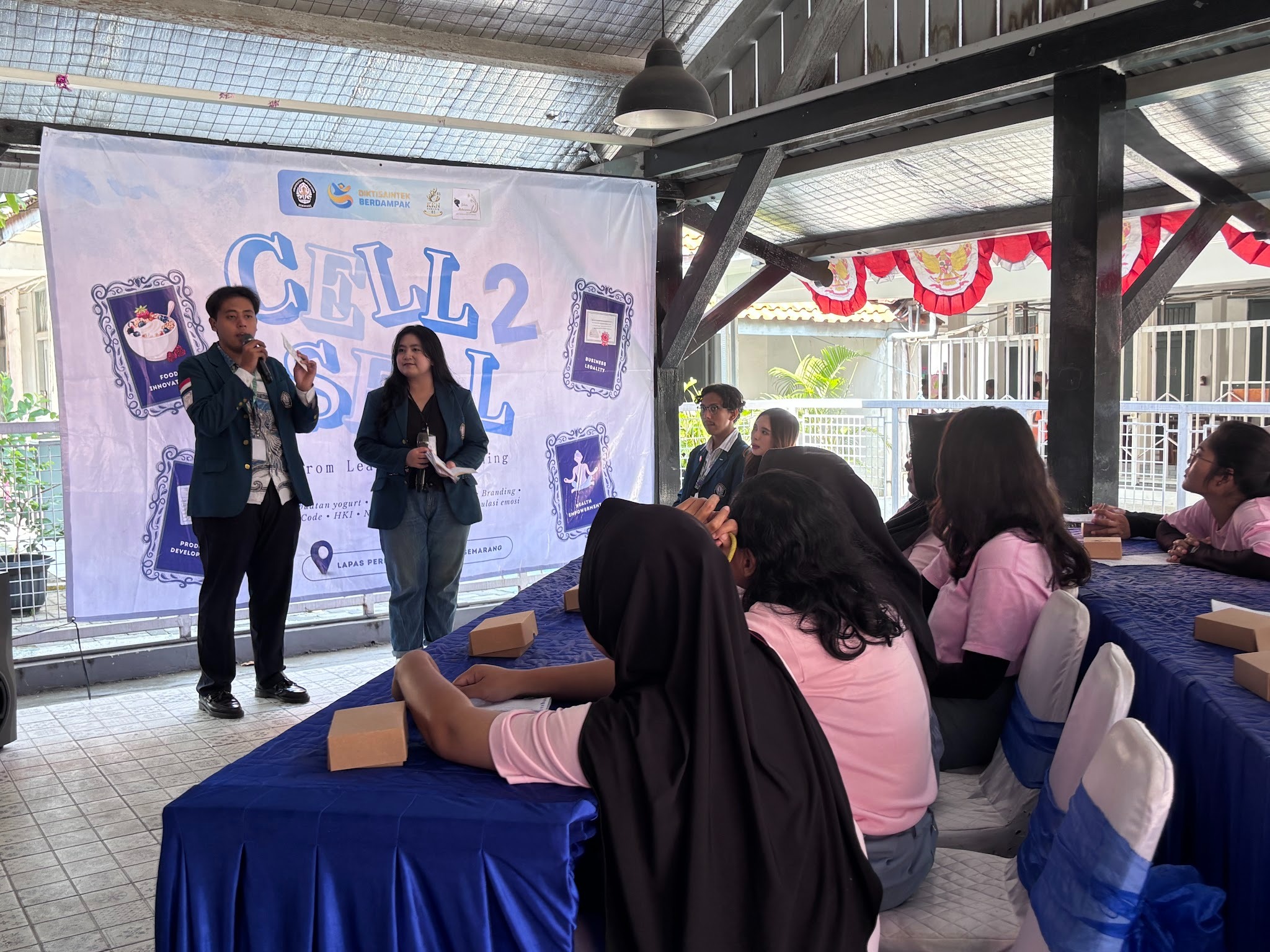
Semarang, July 16, 2026 – Students from the Thematic Community Service Program (KKN-T) Team-83 of the Universitas Diponegoro Faculty of Law—under the guidance of Emy Handayani, S.H., M.Hum.—are actively fostering self-reliance among inmates. In collaboration with the Class IIA Women’s Correctional Facility in Semarang City, currently led by Head of the Facility Darmalinggawati, Bc. IP., S.H., M.H.—they organized an outreach session titled “The Importance of Strengthening the MSME Position through Business Registration.” This initiative aims to educate inmates about the importance of legal business practices as part of efforts to build self-reliance ahead of their social reintegration. The activity also represents a joint effort by Universitas Diponegoro and the Semarang Women’s Correctional Facility to support the UN Sustainable Development Goals (SDGs), specifically Goal 8: Decent Work and Economic Growth.
The activity aims to equip inmates with an understanding of the importance of legal compliance in business, enabling them to establish and grow legitimate businesses upon their return to society.
Held at the showroom of the Class IIA Women’s Correctional Facility in Semarang City, the event was attended enthusiastically by inmates interested in entrepreneurship and those already participating in the facility’s self-reliance programs. This session exemplifies the synergy between higher education institutions and correctional facilities in supporting rehabilitation processes that focus not only on character building but also on enhancing inmates’ economic capacity.
During the event, the KKN students presented material on the importance of business legality as a foundation for conducting business activities safely and sustainably. The material presented covered an introduction to the Business Identification Number (NIB), the benefits of obtaining business legality, registration procedures via the Online Single Submission (OSS) system, and opportunities available to business owners with legal status—such as easier access to financing, participation in government training programs, and expanded product marketing.
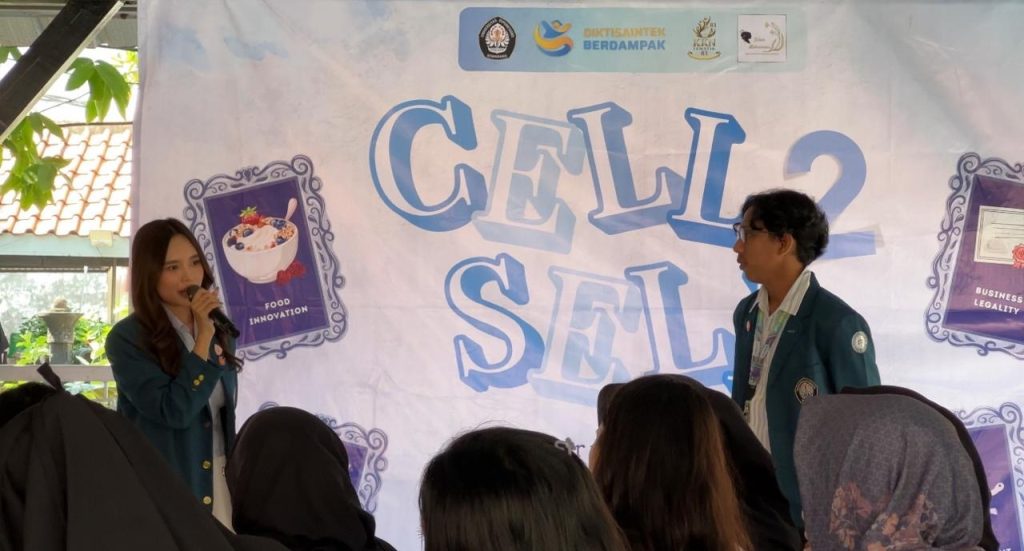
In addition to the presentation, the participants—who are inmates—took part in a post-test to gauge their understanding of the material; KKN (Student Community Service) students distributed quiz sheets for them to complete. As a reward for the best answers, participants received prizes in the form of Brizzi balances—the sole medium of exchange facilitated by the Women’s Correctional Facility for inmate transactions within the premises.
Prison officials expressed their appreciation for the event. They noted that guidance on business legality is a crucial component in equipping inmates with the knowledge and skills needed before they reintegrate into society. By understanding the legal aspects of entrepreneurship, inmates are expected to build credible, competitive, and sustainable businesses, thereby improving their well-being and reducing the risk of reoffending.
“We appreciate the activity conducted by the Undip Law students today. It was beneficial and provided us with new insights. The students were also very friendly and patient in their explanations,” said Dewi Setya, the Work Activity Coordinator at the Semarang Women’s Correctional Facility.
Dewi Setya also expressed hope that the collaborative program between Universitas Diponegoro—specifically the Faculty of Law—and the Semarang Women’s Correctional Facility would continue, helping to foster awareness of the laws governing society.
“We hope activities like this will benefit the inmates after their release, making them more aware of the importance of business legality,” she concluded. “We at the Semarang Class II-A Women’s Correctional Institution greatly appreciate the ideas and contributions offered by the KKN-T Team 83 students through the work programs and community service they have carried out. As the Head of the Semarang Women’s Correctional Institution, I hope that the contributions made by the Universitas Diponegoro KKN-T Team 83 students will provide the inmates with new insights on legalizing their businesses after their release, and that the team’s work programs will foster future sustainability,” stated Mrs. Darmalinggawati, Head of the Semarang Class II-A Women’s Correctional Institution.
Through this initiative, the KKN students also fulfilled their role as agents of community empowerment by directly applying their knowledge to benefit the inmates. This program is expected to serve as a starting point for raising legal awareness while simultaneously encouraging a spirit of legal and productive entrepreneurship within the correctional facility.