

Semarang, June 3, 2
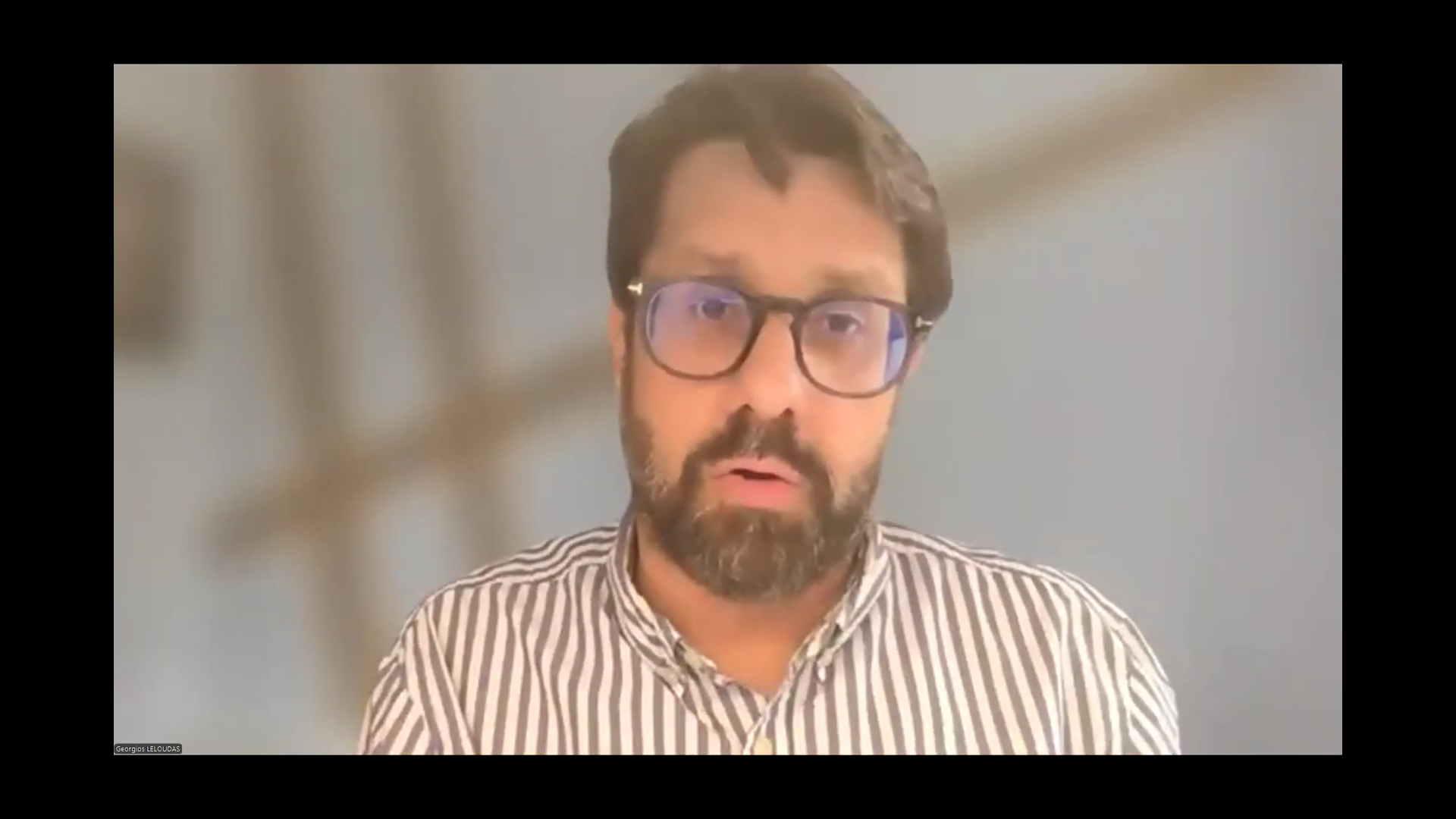
026 – The Faculty of Law, Universitas Diponegoro, once again held the Undip Global Classroom (UGC) 2026 as a manifestation of its commitment to providing international-standard learning while strengthening global academic networks. At the event, held on Wednesday (June 3), Undip’s Faculty of Law presented Prof. George Leloudas from Swansea University, United Kingdom, who delivered a lecture entitled “Unmanned Aircraft Systems & Strict Product Liability.”
The event was attended by students, lecturers, and academics who enthusiastically explored developments in aviation law and regulatory challenges amid rapid technological transformation, particularly regarding the use of Unmanned Aircraft Systems (UAS), or uncrewed aircraft (drones).
In his presentation, Prof. George Leloudas explained that the development of drone technology has brought significant changes across sectors such as transportation, logistics, agriculture, construction, and public services. The increasingly widespread use of drones, especially with the support of Artificial Intelligence (AI), offers significant opportunities to improve operational efficiency. However, this development also presents new legal challenges that require serious attention.
He explained that modern drones are no longer just hardware but have evolved into cyber-physical systems that integrate hardware, software, sensors, communication networks, the Internet of Things (IoT), cloud computing, and even AI algorithms. The complexity of these systems makes determining legal responsibility for accidents increasingly difficult, especially when failures occur due to software updates or AI-based decision-making.
Furthermore, Prof. Leloudas explained the concept of Beyond Visual Line of Sight (BVLOS), which involves operating drones without always being within the operator’s direct line of sight. In this system, most flight safety functions are transferred to technology embedded in the drone, such as automatic navigation systems, Detect and Avoid Systems, and AI capable of making autonomous decisions in the event of communication disruptions or emergencies. This shift makes flight safety increasingly dependent on the reliability of the products used.
According to him, this situation changes the paradigm of legal liability. While previously accidents were mostly caused by human error, in the era of autonomous drones, the risk has shifted to product defects. Therefore, the concept of strict product liability has become increasingly important because it allows manufacturers to be held liable for losses caused by defective products without first proving fault.
Prof. Leloudas also highlighted that the UK’s legal framework, particularly the Consumer Protection Act 1987, is not yet fully equipped to accommodate current developments in digital technology. These regulations were drafted before the development of AI, continuous software updates, cloud computing, and self-learning algorithms. As a result, various legal issues have arisen regarding whether software, system updates, digital data, and AI algorithms can be categorized as “products” subject to manufacturer liability.
Furthermore, he explained that the non-deterministic nature of AI algorithms makes proving product defects much more complex than for conventional products. AI systems can make different decisions even when given the same data, so the evidentiary mechanism in product law requires a new approach to continue providing legal protection to the public without stifling technological innovation.
In closing, Prof. Leloudas explained regulatory developments in the European Union through the Product Liability Directive 2024, which expands the definition of a product to include software, system updates, digital services, and various other digital components. He stated that regulatory reform is a crucial step to ensure the legal system can keep pace with the rapid developments in drone technology and artificial intelligence.
Through the Undip Global Classroom 2026, the Faculty of Law at Universitas Diponegoro continues to strengthen its commitment to providing globally minded learning by inviting academics from universities worldwide. This activity is expected to broaden the academic community’s perspective on contemporary legal issues while strengthening academic capacity to address regulatory challenges in the era of digital transformation and global technological development.