

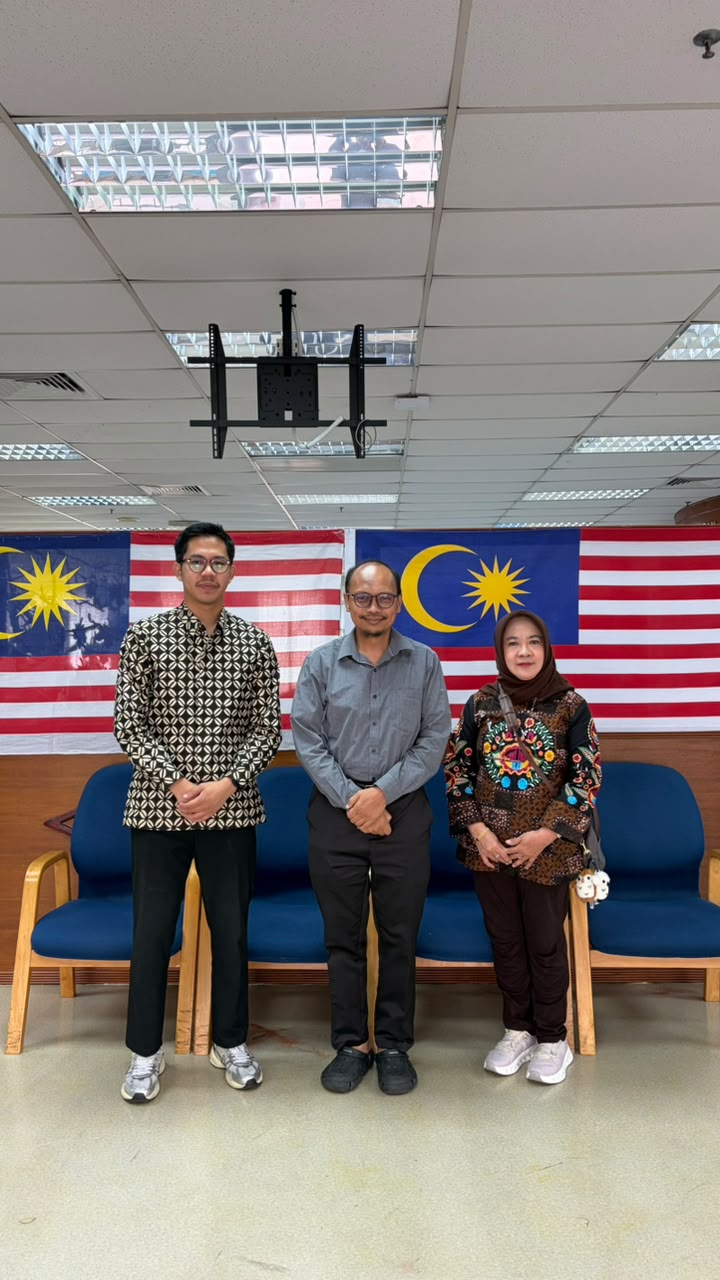
Malaysia: The Faculty of Law at Universitas Diponegoro (FH Undip) is conducting joint research with Malaysian academics to strengthen partnership governance in the palm oil industry. The study highlights the transparency of fresh fruit bunch (FFB) pricing, the balance of rights and obligations within contracts, smallholder access to production inputs, and the implementation of internal compliance programs in both Indonesia and Malaysia.
This initiative included academic discussions documented during a series of meetings in Malaysia. The deliberations aimed to explore how relationships among smallholders, cooperatives, plantation companies, palm oil mills, and other business entities can be managed more transparently and equitably.
The research team is led by Prof. Dr. Paramita Prananingtyas, S.H., LL.M. It includes Prof. Dr. Haniff bin Ahamat from the Faculty of Law at Universiti Kebangsaan Malaysia (UKM), as well as Pulung Widhi Hari Hananto, S.H., M.H., LL.M., and Moh. Asadullah Hasan Al Asy’arie, S.H., M.Kn. The collaboration between academics from both nations is expected to enrich the analysis of legal differences and practical approaches to palm oil partnerships.
Comparing Pricing Regulations and Partnership Oversight
FFB pricing is a primary issue under examination. The price received by smallholders is influenced by quality assessment, transportation costs, deductions, market information, and the availability of buyer options. A lack of transparency in this information makes it difficult for smallholders to verify whether transactions are being conducted in accordance with established agreements.
In Indonesia, the research investigates regulations governing the purchase of FFB from partner smallholders and the role of the Indonesian Competition Commission (KPPU) in overseeing these partnerships. Meanwhile, the study on Malaysia examines the role of the Malaysian Palm Oil Board (MPOB) in establishing reference prices and overseeing the palm oil sector, as well as the competition compliance approach developed by the Malaysia Competition Commission (MyCC).
Developing an Internal Compliance Program Model
The comparison between the two countries serves as a basis for developing an Internal Compliance Program Model for palm oil partnerships. This model is designed to help business operators identify risks at an early stage—for instance, by reviewing contract clauses, documenting the pricing and quality of fresh fruit bunches (FFB), ensuring transparency regarding deductions, monitoring production inputs, and providing grievance mechanisms and corrective action procedures. Through this approach, oversight is not limited to instances where disputes have already arisen. Companies, mills, cooperatives, and smallholder organizations are expected to have clearer guidelines for maintaining partnerships and preventing business practices that could disadvantage specific parties.
Promoting Further Research and Publication
This joint research project is structured over eight months and employs legal analysis and data collection methods in both Indonesia and Malaysia. The targeted outputs include scholarly articles, policy briefs, and an internal compliance checklist that can be used to assess risks within palm oil partnerships.
Through this academic collaboration, the Faculty of Law at Universitas Diponegoro (FH Undip) aims to expand its international research network and provide legal insights to support more transparent, balanced, and responsible governance of the palm oil industry.